
A calm, measured and genuinely personal approach to aesthetic care — for those who want clear guidance, realistic expectations and a treatment experience that feels safe, respectful and human.
La-Lipo is for those seeking a more measured, thoughtful approach to aesthetic treatment. Not rushed. Not pressured. Not overwhelming. Just clear guidance, thoughtful treatment planning and a steady commitment to how you'd like to feel.
For many, the choice to try for non-surgical treatment follows a protracted silence of frustration. It could be a stubborn spot of fat that won't go away despite healthy habits. It could be skin that is less taut than it once was. It might be a blemish, a skin concern or a personal matter left unsaid for too long. Whatever brings a person here, it's often something very personal. It deserves respect.
That knowledge forms the foundation of this practice. The atmosphere is designed to be comforting from the first moment. There is space to think. Space to ask. Room to not know, without being judged. Every conversation aims to feel personal, and every treatment path is designed to seem thoughtful rather than confusing.
Welcome to the intersection of modern aesthetic care and a more human, empathetic experience. The aim is not to urge people toward a different appearance for its own sake. The aim is to make them feel more at ease — both in their bodies and in their alignment with themselves.

Before anyone takes the plunge to seek treatment, there is often a very human moment. That could happen when clothes begin to feel different on the body. It may occur when a mirror reflects something that seems unfamiliar. It may come after years of wishing a recalcitrant part would budge on its own.
People choose this sort of care for various reasons, but the underlying sensation is commonly similar. They are looking for something that feels pragmatic, affirming and grounded in lived experience. What they tend not to want is noise. They do not want overblown promises. They do not want pressure. They are not looking for a sales-led process that treats them like a number.
It changes the whole experience. It enables people to come in feeling confused and leave feeling more clear. It allows space to converse, ask questions and genuinely understand what is possible.
People want their concern taken seriously without turning it into a bigger drama. They want measured guidance — not speculation, not overstatement, and not pressure to commit before they are ready.
For some, the benefit is physical. For others, it is emotional. Often, it is both. There is something quietly powerful about engaging in an act of kindness for yourself when it has been long overdue.
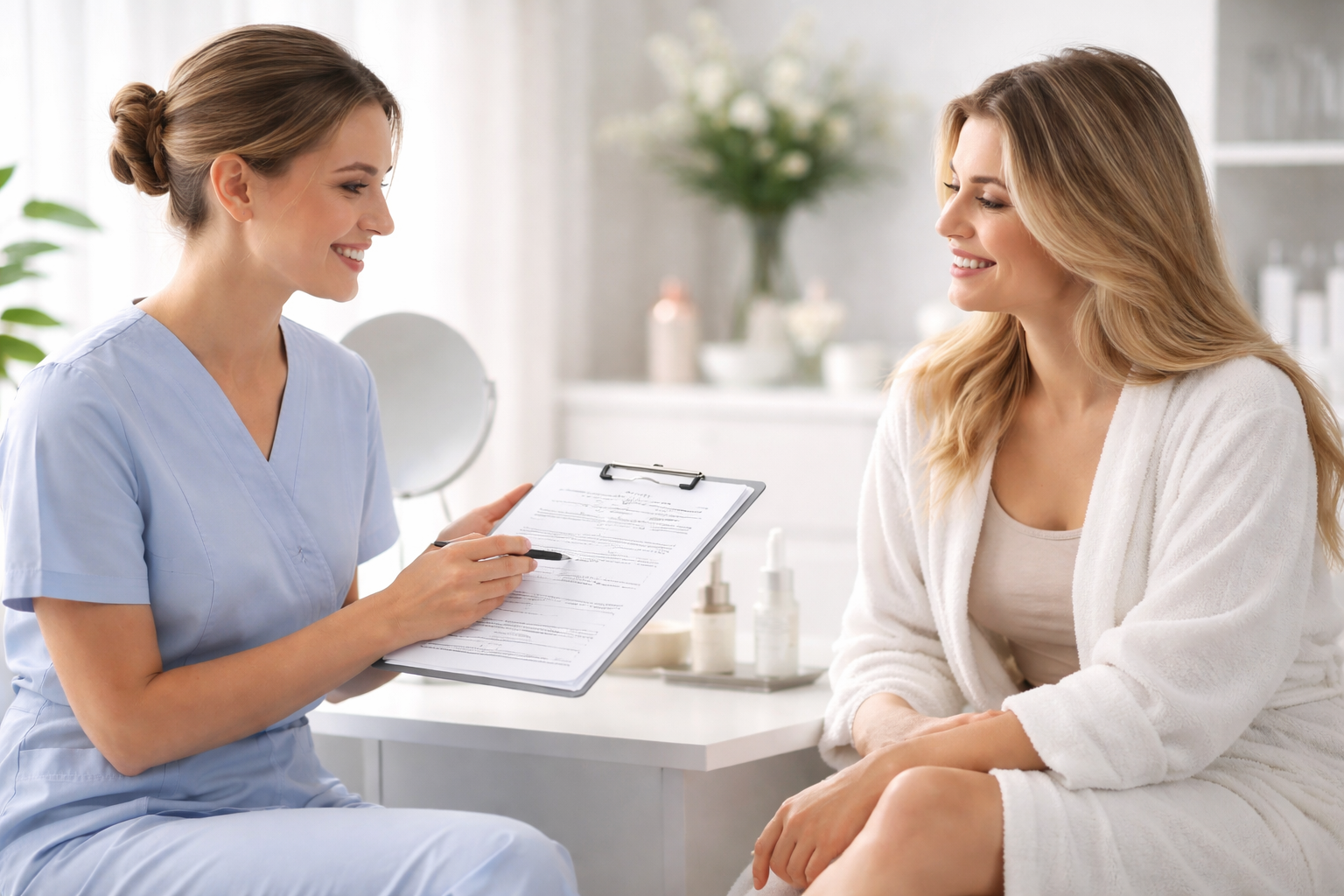
The goal is always to make treatment feel less overwhelming and more obtainable. That means laying out the process upfront, making the journey feel structured, and keeping everything as simple as possible.
The conversation can begin with a concern, a question, or simply a sense that something no longer feels quite right. There is no script, no pressure — just a genuine listening ear.
A deliberative treatment plan should feel like a dialogue, not a script. It should be meaningful in the real world and appropriate to the person's comfort level, schedule and expectations.
Nothing should be rushed or one-size-fits-all. What the best treatment is will depend on the person — their concern, the area to be treated and the desired result. Listening comes first.
Aftercare should be easy to understand. People tend to feel more relaxed and more certain of their decisions when they know what will happen next and why. Clarity is part of the care.
Not everyone comes here with the same story. Non-surgical aesthetic care is broadly accessible, and suitability is assessed thoughtfully and individually for every person who arrives.
Some are seeking body contouring. Others need help with skin tightening. Others wish to finally tackle a specific region that has plagued them for years. Others are trying to address something they have never articulated out loud. Others are simply now prepared to invest in themselves in a way that seems measured and sensible.
Treatments tend to be particularly well-suited to those who already lead generally healthy lives but have stubborn concerns that have not responded to lifestyle changes alone. The distinction matters. It is also a key reason why these treatments are often experienced as empowering rather than merely corrective.
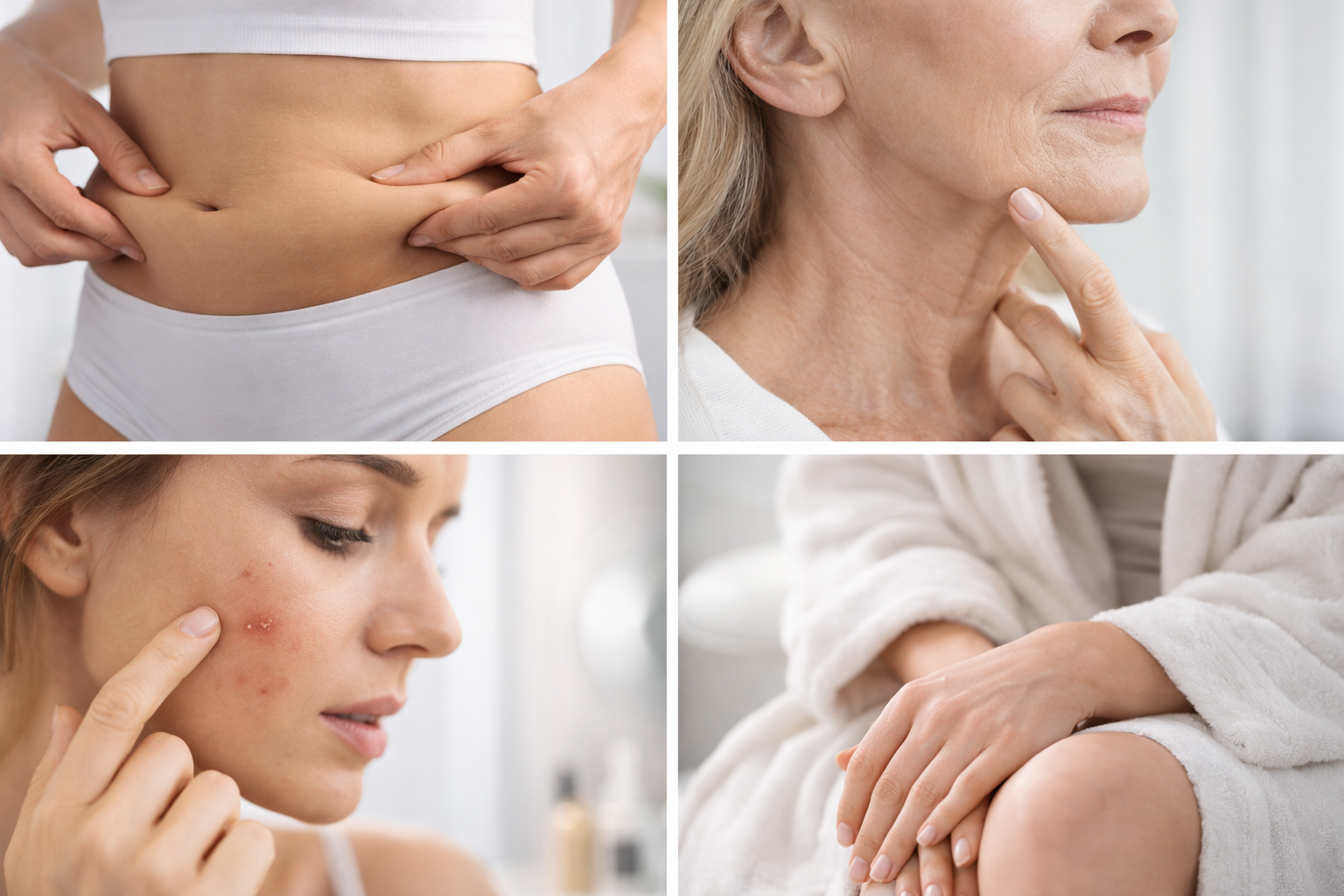
People carry their concerns in different places. Every concern is personal, and every concern deserves the same quality of attention and care — regardless of its nature.
For many, body contouring is not about perfectionism — it is about the areas that seem resistant to everything else. The lower stomach, the waist, the thighs, the arms: these are the places where effort is made but results do not follow. That distinction is important and deserves acknowledgment.
Over time, skin inevitably evolves. It might start to feel softer, less firm, or a little less smooth. Fine lines may become more pronounced. The face can begin to display signs of tiredness that do not match how vital someone feels inside. These changes are natural, but that does not mean they have to go unaddressed.
Nothing like a visible blemish or lesion to affect confidence in ways we do not always admit. Some are easy to theoretically ignore, but difficult to overlook on a daily basis. They may show in photographs. They can redirect how a person dresses or presents themselves. For many, addressing this is not vanity — it is relief.
Some concerns are not easy to voice anywhere. They are personal. They may have been carried quietly for years. The sensitivity of these matters is not underestimated. They are handled with the highest levels of discretion and with the same respect that is given to every other concern that arrives here.
La-Lipo offers multiple non-surgical treatments, which can be adapted to different needs and will yield different results. The strength of the treatment offering lies not only in its variety, but also in how each option is approached.
Non-invasive fat reduction and body contouring treatments can provide real, tangible results in areas that have not responded to lifestyle measures alone. The goal is not radical change — it is shaping and refining in a way that feels comfortable for each person. Deep down, the happiest outcomes are often those that still reflect you, just a little more harmonious and a little more at ease.
For some, the appeal is the gradual nature of change. For others, the attraction is that treatment can often work more easily around everyday life. Both matter.
Skin tightening and facial rejuvenation treatments are popular amongst those who want a refresh without something heavy or extreme. Most people do not want to be transformed. They are seeking to feel more refreshed, more at ease in their own faces — and a non-invasive approach that does not feel surgical can be very appealing.
Facial rejuvenation is always approached as a light-handed affair. The process is meant to feel soothing, and the result is intended to feel elegant rather than elaborate.
For many people, blemish and lesion removal is not a cosmetic indulgence — it is relief. The appeal is clear. It lessens the distraction of something that has followed a person around for too long. Any intervention in this space is approached with care, because these concerns are visible but deeply personal.
Treatment aims to resolve the specific issue in a thoughtful and deliberate manner. Expectations are set clearly and honestly throughout the process.
Women present with many different needs. Some are body-related. Some are skin-related. Some are linked to changes that occur over time — after pregnancy, after weight fluctuation, or simply through ageing. Others are private concerns that have been borne quietly for years.
Treatment is never just about looks for women. It can be about returning to the body — feeling at home in it again. It can be about reclaiming ease. It can be about something as simple as standing a little taller or feeling more settled in daily life.
Men come to aesthetic treatment with different expectations but the same underlying hope — to feel comfortable in their own skin. They might want to improve a stubborn abdominal area, soften the chin or jawline, or simply feel more confident in the gym and in clothes.
A plain, straightforward and no-nonsense approach works well here. Men generally want to understand what the treatment does, what it feels like, how it fits into life and what realistic improvement looks like. Honesty matters, because it builds trust.
There is one thing most people want to know before they start: what should they expect? The straightforward answer is that it depends on the treatment, on the area, on the person and on what is to be accomplished. But in general, people can expect a process that is built to be steady, calm and individualised.
The outcomes should feel realistic. That is some of what makes the experience trustworthy. The best results are typically those that improve without overwhelming. They are the ones that help a person feel more like themselves — not less.
The emotional result matters too. People often report a certain lightness or settling after having done something that has weighed on them for a long time. That shift can be as significant as what is visible on the surface. That combination — the physical change and the emotional relief — is often what people remember most.
These represent general patterns only. Results vary depending on individual factors, areas treated and treatment type. Full guidance is provided during consultation.
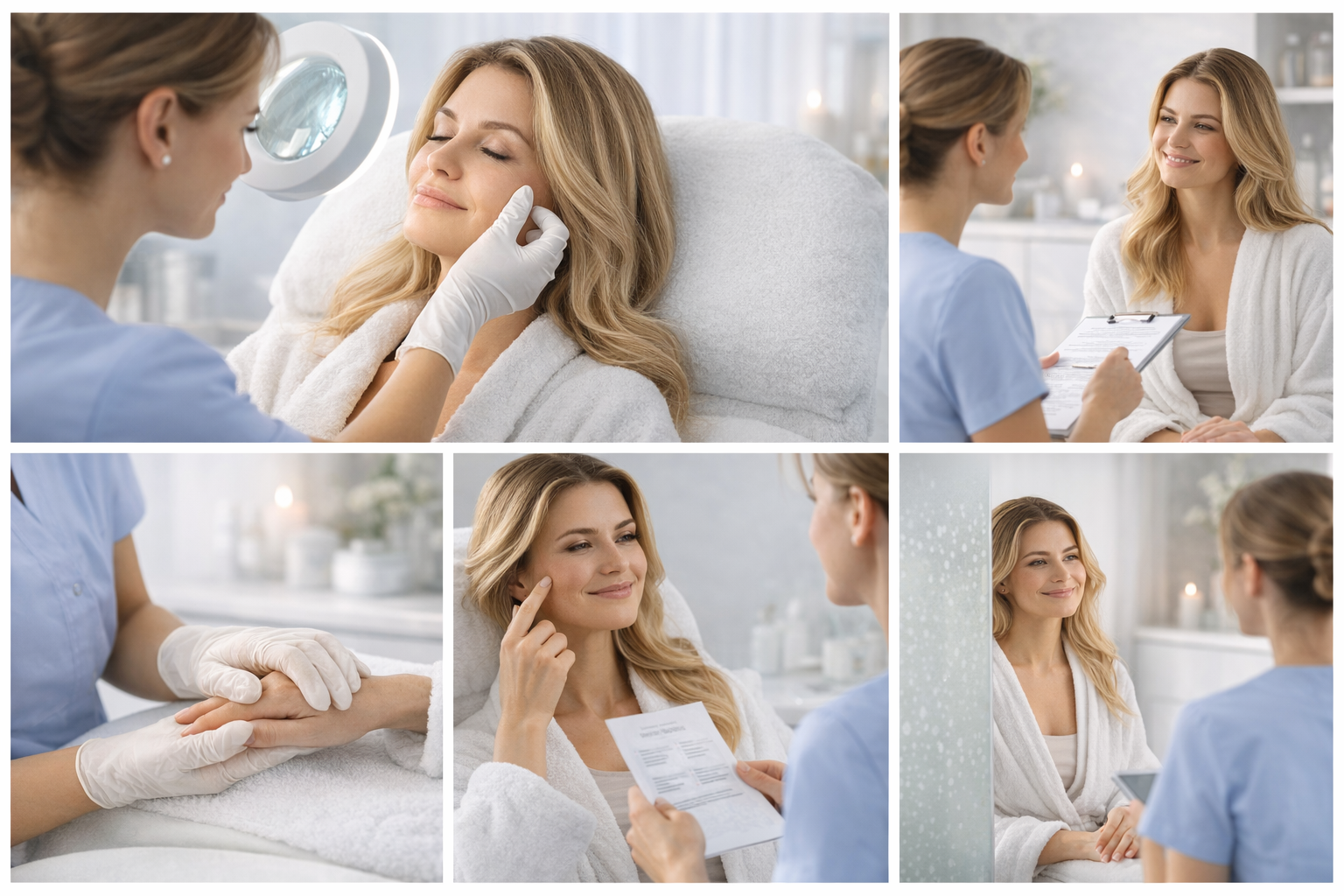
Safety is not a side detail. It is the heart of it all. Non-surgical care must always be provided safely, within the appropriate parameters and with an accurate understanding of the individual.
It means closely examining the area to be treated, candidly discussing whether the treatment is appropriate, and ensuring the person fully understands what will happen before anything is begun. No assumptions. No shortcuts.
Comfort is not something that exists outside the treatment experience — it is part of it. When people know what is happening, they are more likely to relax. When the process has been explained clearly and calmly, the experience becomes more positive at every stage.
In a professional setting, this means understanding that everyone is unique. One person may want a low-key outcome. Another may have a very specific concern. One person may arrive feeling confident. Another may arrive hesitant. A good clinic creates room for all of those experiences without judgement.
The goal is always a thoughtful balance between effectiveness and comfort. That means clear messaging, deliberate planning, and a compassionate process throughout. It means helping people feel informed — never coerced — and being honest about what can realistically be achieved.
Many aesthetic concerns are private. Some are visible, and some are not. Either way, they deserve sensitivity and respect. That commitment to discretion is built into every part of how care here is delivered — not as a policy statement, but as a genuine practice.
The goal is not simply to provide treatments. It is to present them in a way that feels dependable, respectful and measured. That responsibility is taken seriously at every stage — before, during and after the treatment process.
Any aftercare that follows treatment should be easy to understand and easy to follow. The aim is to support results over time and to ensure every person feels clear about what comes next — without being overwhelmed with complicated instructions.
Following treatment, clear guidance will be provided on what to expect in the hours and days after. This includes any sensations that are normal, what to avoid, and what to look out for. Nothing should come as a surprise.
Some treatments benefit from a sustained approach to general health and wellbeing. Guidance on how to support and maintain results at home is part of the process — simple, practical and realistic.
The care does not end when the appointment does. Questions that arise after treatment deserve the same attentiveness and calm guidance as those that arose before it. People tend to feel more settled when they know support is available.
For some concerns, a single treatment addresses the issue entirely. For others, a treatment programme makes more sense. Either way, any ongoing plan is structured thoughtfully, explained clearly and completely in step with the person's real-life schedule.
Non-surgical aesthetic treatment refers to a range of procedures and techniques designed to address cosmetic concerns without the need for surgery, general anaesthesia or significant recovery time. These include treatments for body contouring, fat reduction, skin tightening, facial rejuvenation, blemish removal and various personal concerns. The defining characteristic is that they work with the body's natural processes rather than surgically altering tissue. Results develop gradually, and treatments can typically be planned around normal daily life.
Suitability is assessed on an individual basis and depends on the nature of the concern, the area to be treated and the desired outcome. There is no single profile that fits all non-surgical treatments. The initial consultation process is designed specifically to establish this — to understand what a person is looking for and to guide them honestly about what is and is not appropriate in their individual case. If a treatment is not the right fit, that will be said plainly and respectfully.
Safety is the foundation of any responsible aesthetic practice. Non-surgical treatments, when administered by knowledgeable professionals in an appropriate clinical setting, carry a strong safety profile. A thorough assessment before any treatment begins is non-negotiable. That means understanding health history, being honest about any contraindications, and ensuring the person has a clear picture of what the treatment involves. Questions are always welcome — and a trustworthy clinic will never rush past them.
This depends entirely on the type of treatment and the concern being addressed. Some treatments produce visible improvements relatively quickly. Others involve a more gradual process as the body responds and adjusts. What is important — and what is always communicated upfront — is a realistic timeline for what to expect and when. A gradual change can feel less disruptive and more natural, and for many people this is part of the appeal.
One of the practical advantages of non-surgical approaches is that they generally require minimal to no recovery time. Most people are able to return to normal daily activities either immediately after or very shortly following treatment. However, specific aftercare guidance will always be provided — including any temporary restrictions on activity, skincare or environment — and this will be explained fully before treatment begins so that it can be planned around appropriately.
Entirely normal — and more common than many people realise. For many, this kind of decision follows years of quietly sitting with a concern. Arriving uncertain, or not quite knowing what to ask, is not a problem. The first conversation can simply begin with a general sense that something feels off, and a more considered path can be established from there. There is no expectation to arrive with everything figured out, and there is no pressure to commit to anything before feeling genuinely ready.
With the utmost discretion and respect. Many concerns that bring people to aesthetic treatment are deeply private — some people have never spoken about them before. The environment here is designed to be safe, non-judgemental and confidential. There is no concern that is too personal to raise. There is no question that will be dismissed. The goal is always for a person to leave that conversation feeling heard, respected and more at ease than when they arrived.
The way people feel before, during and after treatment matters as much as the treatment itself. What follows reflects the kind of experience that non-surgical care, done well, can provide.
I'd been carrying this concern for years without saying it out loud. Walking through the door felt harder than any part of the treatment itself. But the conversation was calm, and I left feeling genuinely lighter — before anything had even been done.
I didn't feel like I was being sold to. I felt like I was being listened to. They told me honestly what was achievable and what wasn't. That kind of honesty is rare and it made all the difference in deciding to go ahead.
I'd expected to feel self-conscious about the area I came in about. Instead I just felt taken seriously. The process was explained clearly at every step and I never felt rushed or pressured. That mattered enormously to me.
These represent composite patient experiences intended to reflect the general nature of care. Individual results and experiences will vary.

The reason people choose this type of care is not simply that they want a treatment menu — it is that they want to feel reassured by the people behind the treatments. That confidence comes from a few different things.
It stems from an appreciation of the treatment options. It comes from a careful, person-first approach. It stems from the feeling that care is being tailored to the individual — not shoehorned into a rigid template. And it comes from a tone that feels genuinely reassuring, not clinical in the wrong way.
Aesthetic care cannot take place meaningfully unless people feel truly supported. Not overwhelmed. Not dismissed. Not pushed through a decision they have not yet had the time to thoroughly consider. The steadiness here — the ability to make informed choices at a sensible pace — is part of what defines the experience.
Every conversation, every treatment plan, and every interaction prioritises the individual behind the concern. Their comfort, their pace and their goals set the direction of care.
Being honest about what is achievable — and what is not — is the foundation of trust. Realistic expectations are not a disappointment; they are a form of respect.
People are never pushed toward a decision before they are ready. The pace of progress is always led by what feels right for the individual — not by any commercial interest.
Every concern shared here is treated with the sensitivity it deserves. Privacy is not an optional extra — it is a fundamental part of how care is delivered.
If a person is ready — or simply wondering whether they might be — there is no obligation or commitment involved in starting a conversation. The treatment journey is precise without being cold, professional without being distant, and effective whilst wearing a human touch.
This is for anyone looking to feel more comfortable in their own skin — without the noise, without the pressure, and without the need for surgical intervention. More thoughtful. Less about trying to fix people and more focused on comforting, supporting and listening.
It is for those who are prepared to address a body concern, a skin concern or some more personal issue with privacy and dignity. It is for those who want to be properly listened to. It is for people who want professional treatment that does not feel cold.
The whole experience is designed to be calming, reassuring and thoughtfully assembled. Every conversation should feel respectful. Every treatment should feel like it was chosen for a reason.
What makes this approach distinct is that it is not only about how a person looks after treatment. It is about how they feel along the way. And that feeling should always be safe, supported and understood.
Confidence is not always loud. Sometimes it is quiet. It manifests in how a person dresses, without questioning. In the manner in which they move through a room. In how they stop carrying around a thing that used to take up far too much space in their head. When care is done well, people often leave with more than a treatment plan. They walk away better knowing what they want, how things work and — with a newfound quietness — what it feels like to spend a little kindness on themselves.
Safe, supported, and understood — every step of the way.